Bringen Sie Freizeit-Werkzeug an!
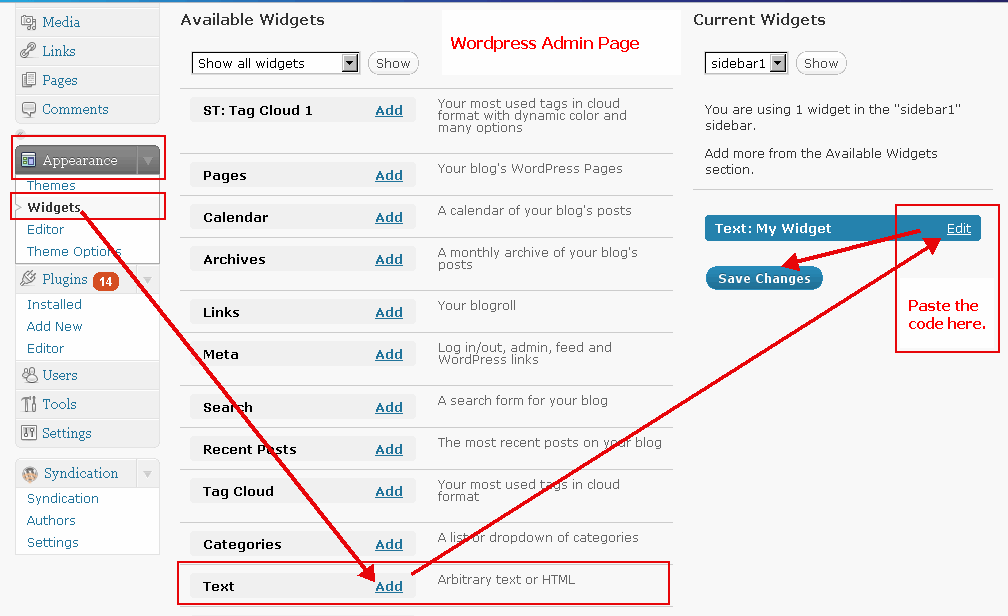
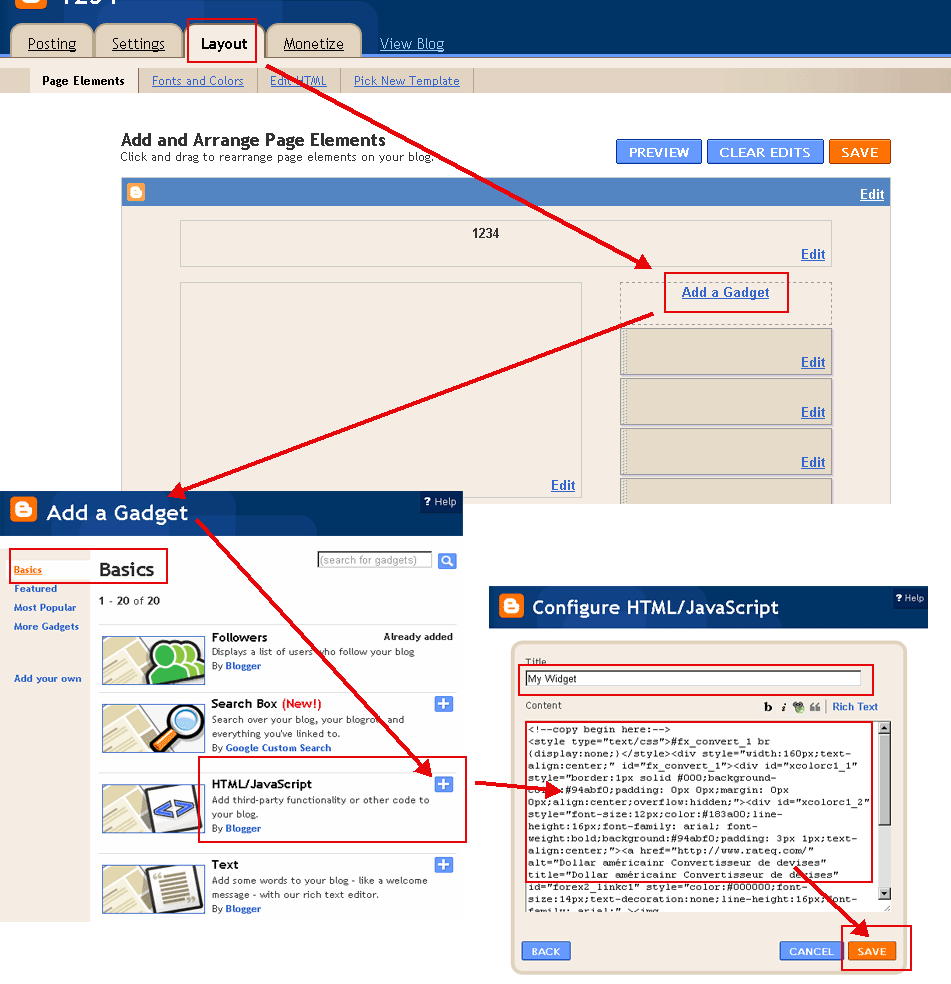
Drücken Sie Kopie-Taste und fügen Sie in Ihrem Blog oder Ihrer Website.
(Wechseln Sie bitte in den 'HTML'-Modus bei der Buchung in Ihrem Blog. Beispiele: WordPress Beispiel, Blogger Beispiel)
E. coli: Infection, Causes, Symptoms Treatment The type that lives in your GI tract usually doesn’t hurt you — it even helps you digest your food But under certain circumstances, many strains (types) of E coli can make you sick Many of the strains that cause infection can adhere (stick) to your cells and release toxins
E. Coli Infection: How to Stay Safe | Patient Care If you suspect that you have been exposed to E coli, or if you’re experiencing any of the symptoms described above, make an appointment with an infectious disease specialist
Information for Clinicians | E. coli infection | CDC Most intestinal E coli infections can be managed symptomatically Patients with profuse diarrhea or vomiting should be rehydrated Early use of intravenous fluids may decrease the risk of renal failure in children with STEC infection
E. coli - Diagnosis and treatment - Mayo Clinic Most people with E coli diarrheal infection get better on their own Rest and drink fluids to keep the body from losing too much fluid, called dehydration Don't take antidiarrheal medicine It slows your digestive system and keeps your body from getting rid of the toxins
E. coli Gastroenteritis - Digestive Disorders - Merck Manual Consumer . . . E coli sometimes leave the intestines and cause infections in other parts of the body, such as the kidneys and urinary tract (see Escherichia coli infections) Types of E coli gastroenteritis E coli occur naturally and harmlessly in the digestive tract, but some strains have acquired genes that enable them to cause intestinal infection
About Escherichia coli Infection | E. coli infection | CDC E coli help us digest food, produce vitamins, and protect us from harmful germs But some E coli can make people sick with diarrhea, urinary tract infections, pneumonia, sepsis, and other illnesses
Controlling Spread of E. Coli - Health Human Services Food handlers with pathogenic E coli must be excluded from work A food handler is any person directly preparing or handling food This can include a patient-care or child-care provider No foodservice worker, healthcare or child care provider should be at work while experiencing active diarrhea
 Kalender