Bringen Sie Freizeit-Werkzeug an!
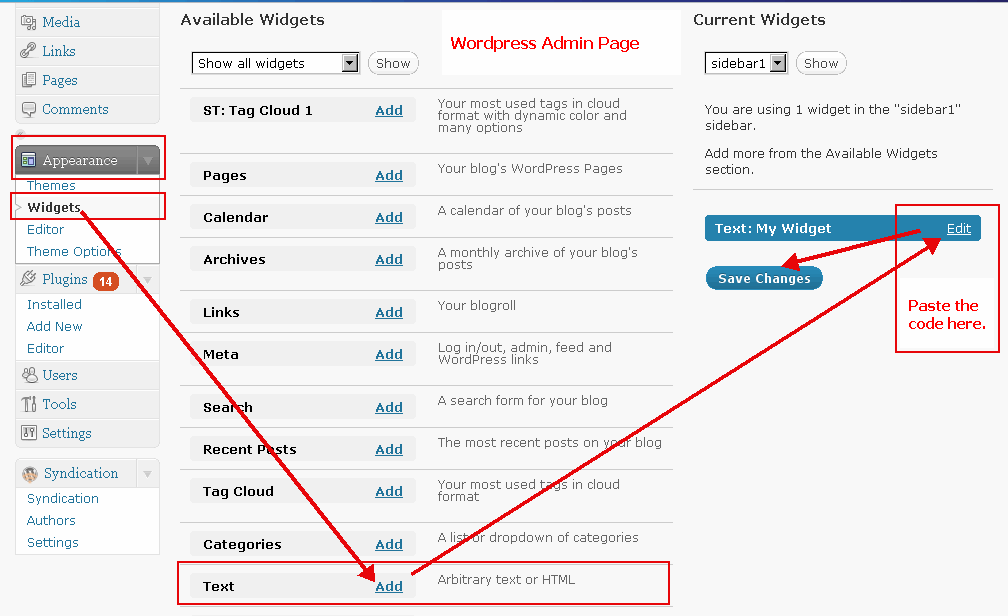
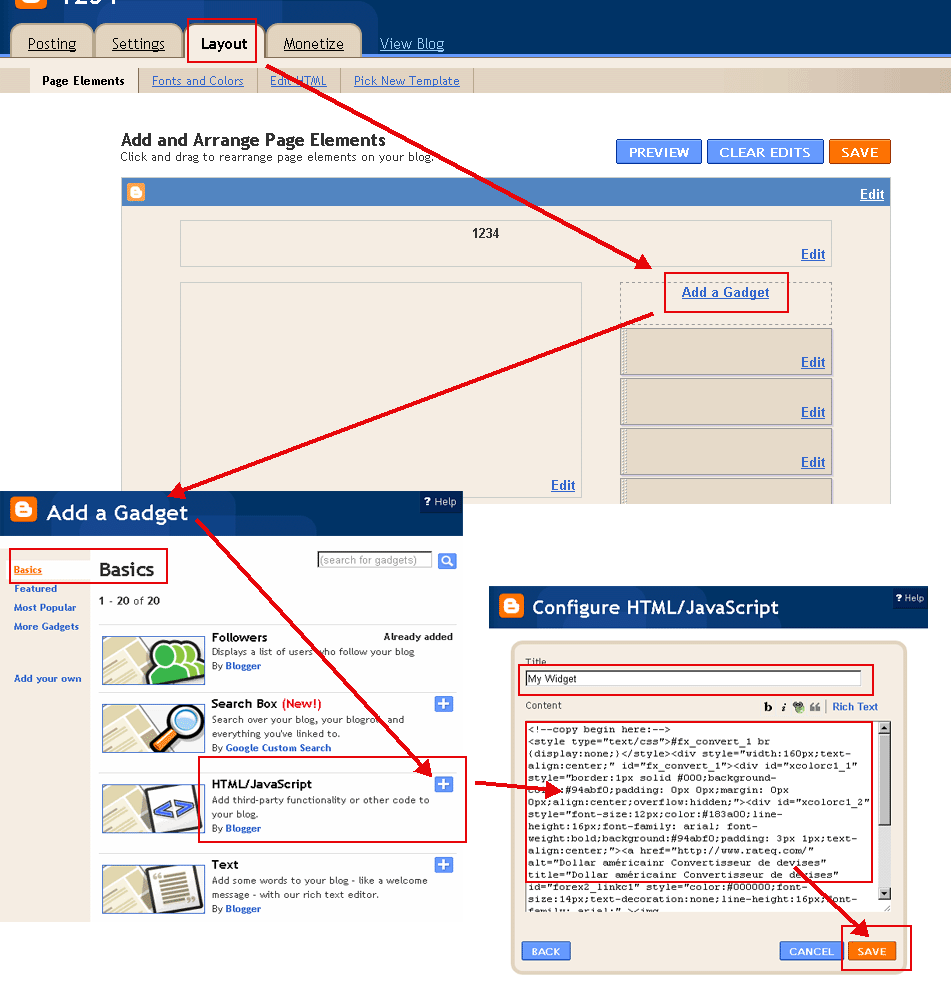
Drücken Sie Kopie-Taste und fügen Sie in Ihrem Blog oder Ihrer Website.
(Wechseln Sie bitte in den 'HTML'-Modus bei der Buchung in Ihrem Blog. Beispiele: WordPress Beispiel, Blogger Beispiel)
What is full stop punctuation and how to use it. - Adobe Full stop punctuation marks the end of a declarative or imperative sentence It is a fundamental grammatical tool that signals a complete thought, allowing readers to pause and absorb information
full stop punctuation. - YouTube Full stop punctuation is an important part of English grammar In this tutorial, we'll discuss the different types of full stop punctuation and give examples of how to use them
Full stop - Wikipedia The full stop (Commonwealth English), period (North American English), or full point ( ), is a punctuation mark used for several purposes, most often to mark the end of a declarative sentence (as distinguished from a question or exclamation)
Punctuation: The Ultimate Guide | Grammarly What are the 14 punctuation marks? The 14 punctuation marks in English are period (called “full stop” in the UK), question mark, exclamation point, comma, colon, semicolon, dash, hyphen, brackets, braces, parentheses, apostrophe, quotation mark, and ellipsis
Full Stop (Period) Punctuation: Meaning, Rules, and Examples A full stop ( ), a question mark ( ? ), and an exclamation mark ( ! ) all bring a sentence to an end, but each does so with a different intention and tone Understanding how they differ helps you choose punctuation that fits your purpose and voice
 Kalender