Bringen Sie Freizeit-Werkzeug an!
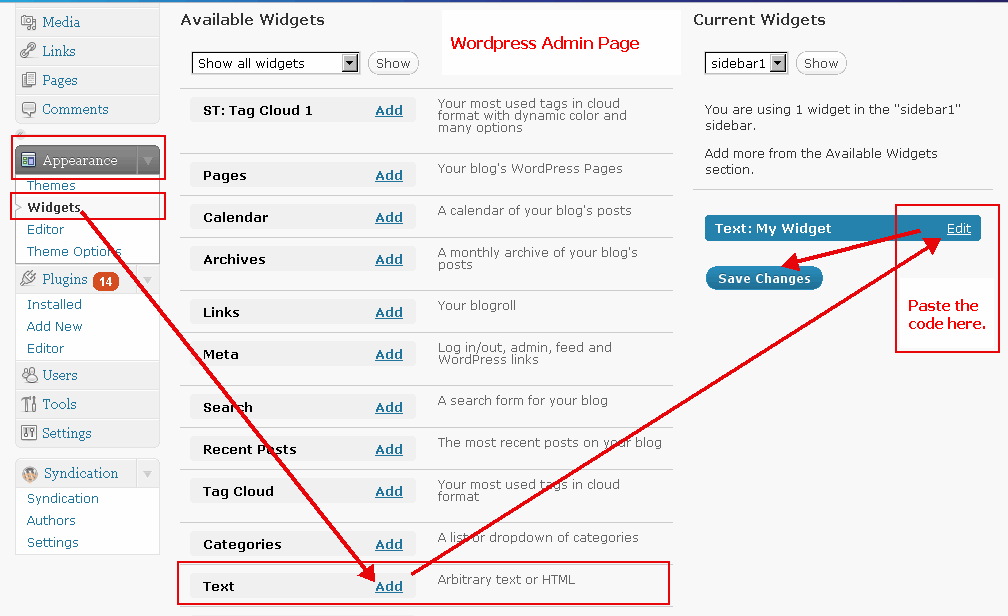
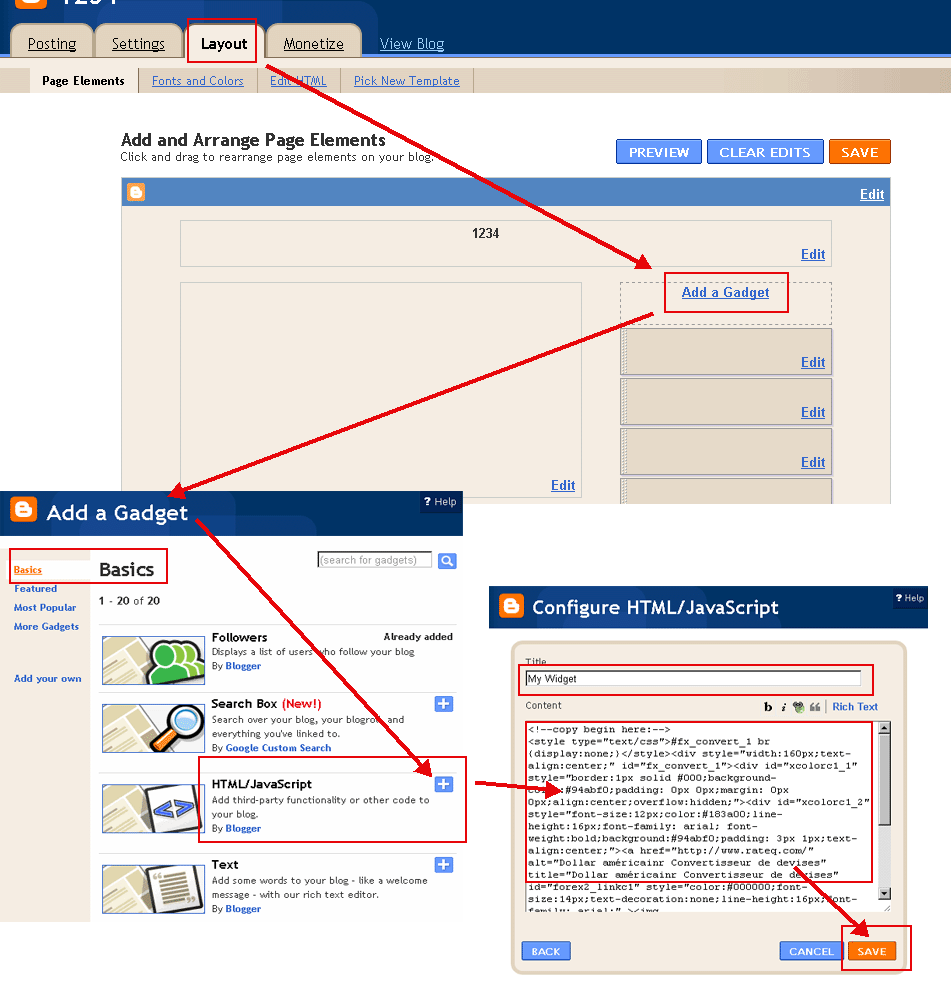
Drücken Sie Kopie-Taste und fügen Sie in Ihrem Blog oder Ihrer Website.
(Wechseln Sie bitte in den 'HTML'-Modus bei der Buchung in Ihrem Blog. Beispiele: WordPress Beispiel, Blogger Beispiel)
Sioux - Wikipedia The term Sioux, an exonym from a French transcription (Nadouessioux) of the Ojibwe term Nadowessi, can refer to any ethnic group within the Great Sioux Nation or to any of the nation's many language dialects
Sioux - World History Encyclopedia The Sioux are a native North American nation who inhabited the Great Plains region of, roughly, modern Colorado, Montana, Nebraska, North Dakota, South Dakota, and Wyoming
Sioux divisions, tribes, and bands - Native-Americans. com The Great Sioux Nation is actually made up of 18 separate tribes, or bands in the US, and 12 in Canada These are divided into three divisions: the Lakota Sioux, Dakota Sioux, and the Nakota Sioux Each division speaks a different, but similar, Sioux language dialect
Sioux: At a Glance | Britannica The Oceti Sakowin, or Sioux, are an alliance of Native American peoples who speak three related Siouan languages: the Dakota-speaking Santee, the Nakota-speaking Yankton, and the Lakota-speaking Teton, each having lesser divisions
The Sioux People – History, Traditions, and Cultural Legacy The Sioux are one of the most historically influential and culturally significant Indigenous peoples of North America Known collectively as the Oceti Sakowin or “Seven Council Fires,” the Sioux nation has played a central role in shaping the history of the Great Plains and the American West
Tribes, Meaning, Languages, Religion, Sioux - Britannica The perhaps most commonly used name for the Oceti Sakowin is the term Sioux It is a shortening of the French spelling of the Ojibwe word for the group It is commonly thought to derive from the word natowessiwak (“little snakes”; i e , enemies), spelled nadouessioux in French
 Kalender